
 อ่านภาษาไทย
If you stroll along the Chao Phraya River in the Kudi Chin area, amidst Christian churches and Thai temples, you will be captivated by the serene beauty of "Kian An Keng Shrine" (Kuan An Keng Shrine), one of the oldest Guan Yin shrines in Bangkok. This place is not only the spiritual center for the Hokkien Chinese who migrated with King Taksin the Great but also a key to unlocking the mystery behind the name "Kudi Chin," or as it was commonly known in the past, "Ban Kradee Chin."
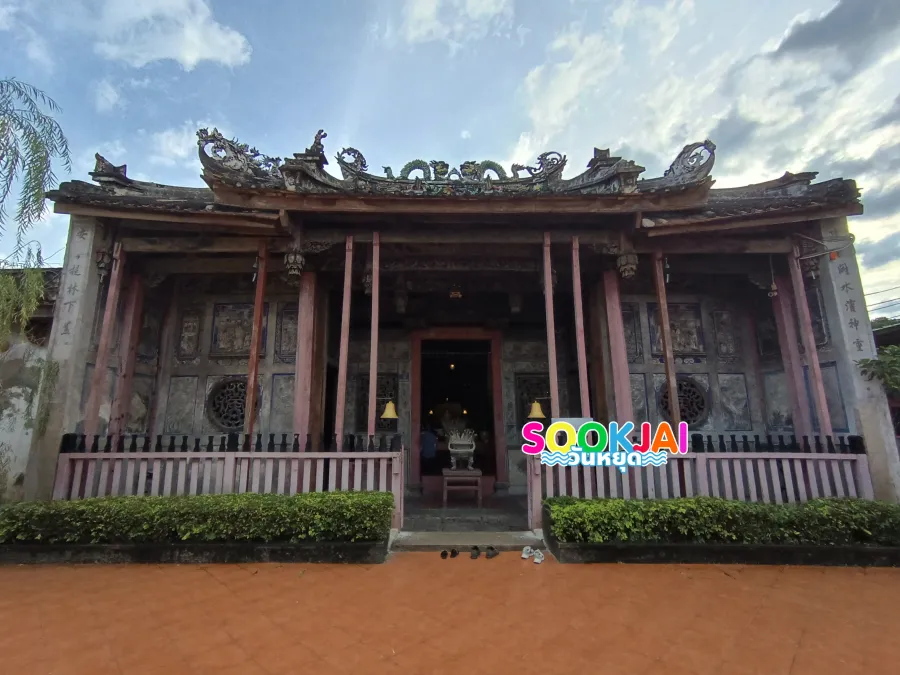
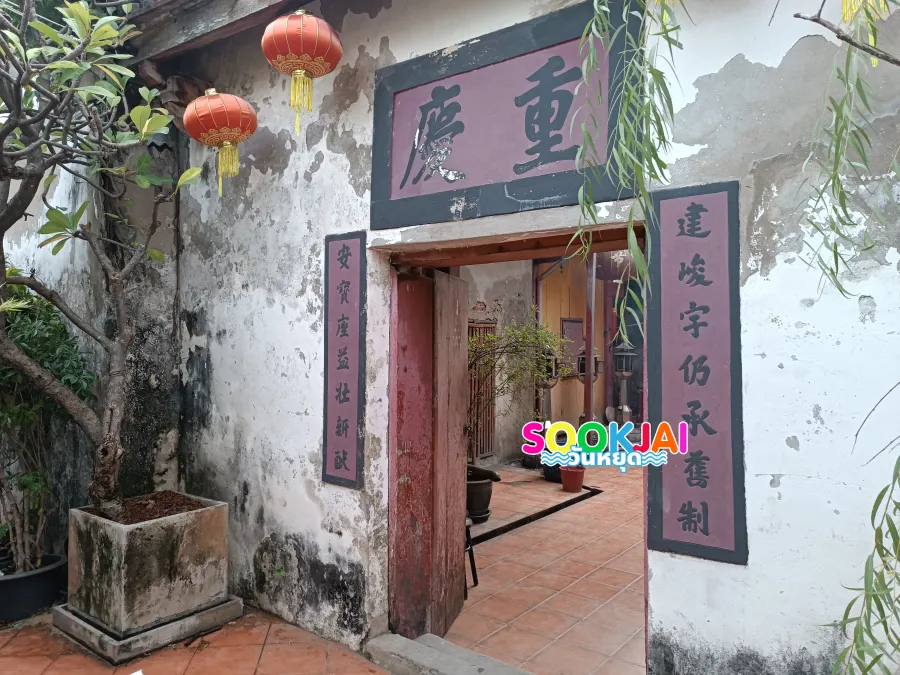
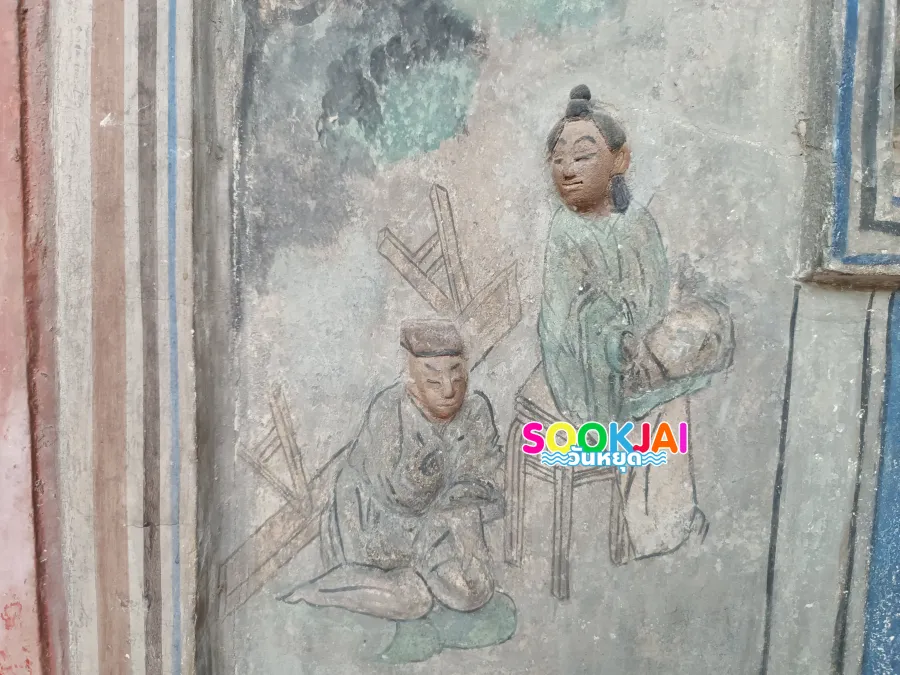
The origin of the name "Kudi Chin" is speculated to come from the word "Kudi" or "Kradee," which refers to the residence of monks or a place for religious ceremonies, combined with the word "Chin," which refers to the Chinese community that has settled in this area for a long time since the Thonburi period. Kian An Keng Shrine is like a historical imprint that remains, with its authentic Hokkien Chinese architecture, including the exquisite wood carvings on the door panels using ancient techniques, and the murals depicting the stories of the Three Kingdoms, which are rare to see today, with sookjai Weekend.
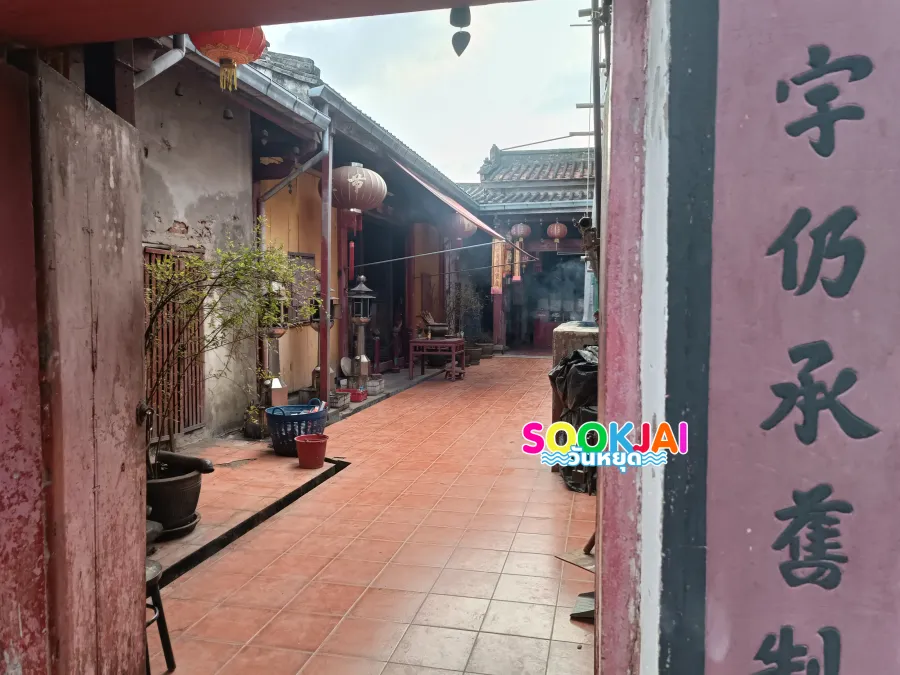
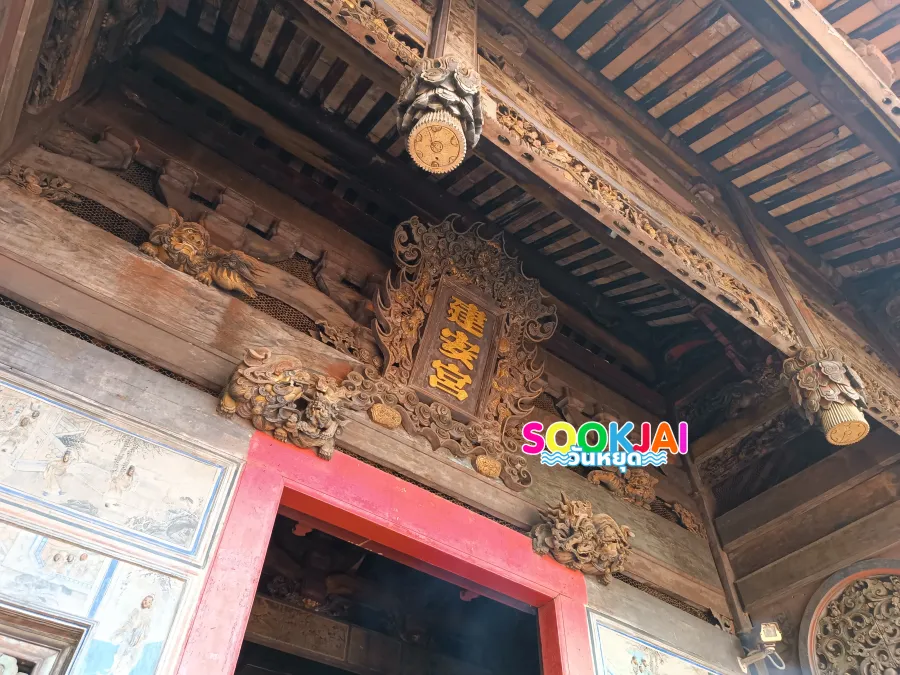
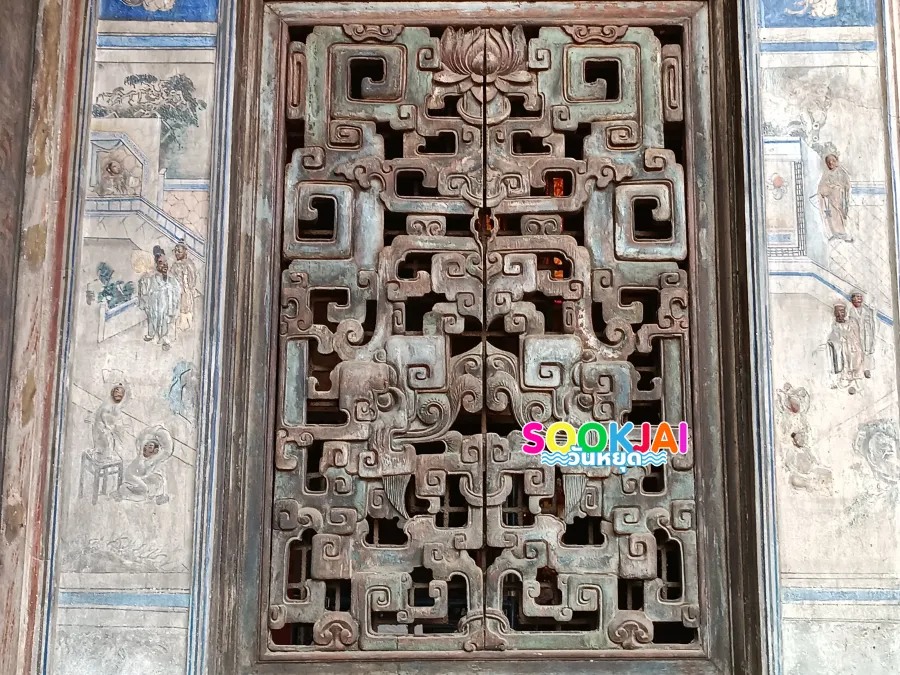
The atmosphere inside Kian An Keng Shrine is filled with tranquility and the power of faith. When you step inside, you will experience the faint scent of incense and the beauty of the gilded carved wooden Guan Yin statue, which is enshrined as the main image and is revered for its sacredness and beauty according to ancient Buddhist characteristics. It is suitable for merit-makers who want to pray for good fortune amidst the riverside atmosphere of the Chao Phraya River. This weekend, take some time to visit the roots of the Kudi Chin area through this small but historically significant shrine. You will surely have a trip that is both fulfilling and informative.