

 อ่านภาษาไทย
Wat Som, Ayutthaya: A Hidden Gem of Early Ayutthaya Art
Among the numerous ancient sites in Phra Nakhon Si Ayutthaya province, Wat Som might be a name many overlook. However, for those passionate about history and ancient art, this ruined temple is a treasure trove of beauty and fascinating stories, especially its exquisite stucco patterns that still remain, hinting at its past glory.

Location and Long History
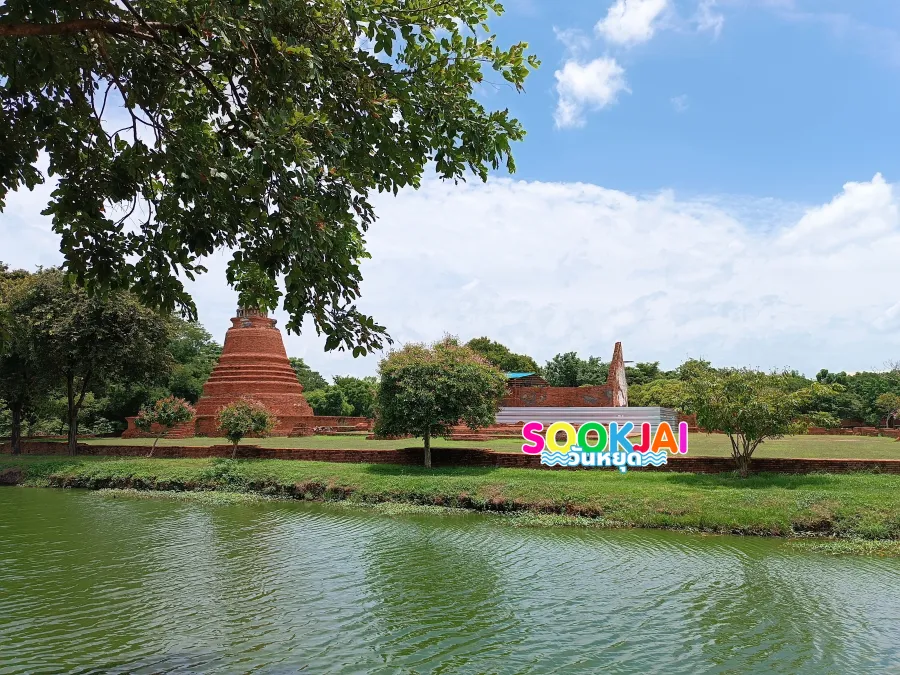
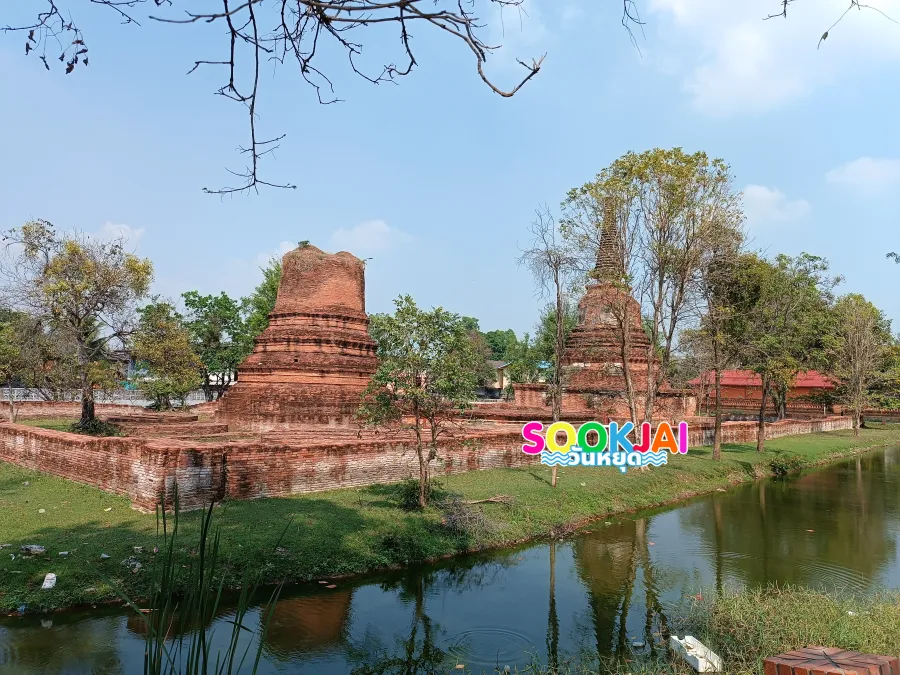
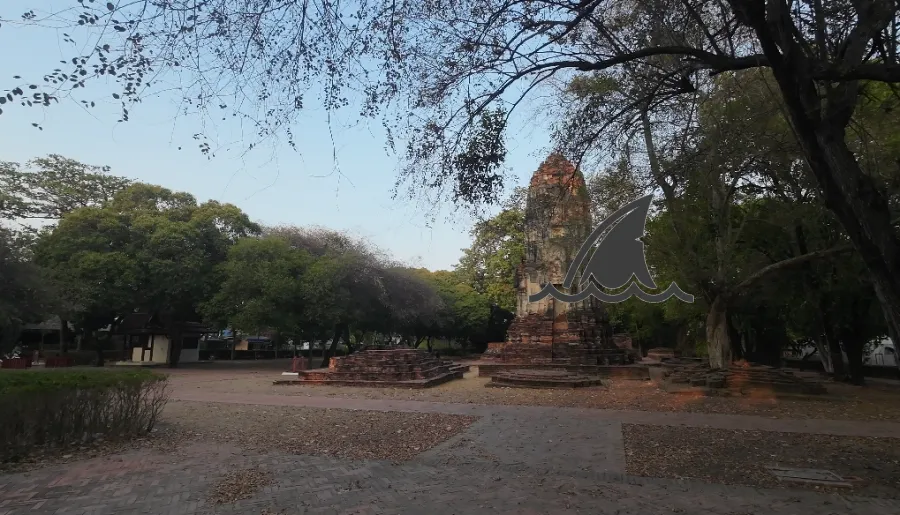
Wat Som is a small ruined temple situated adjacent to Khlong Tho (Khlong Chakhrai Yai) on the western side of Ayutthaya's island city, in Pratu Chai Subdistrict, Mueang Phra Nakhon Si Ayutthaya District, Phra Nakhon Si Ayutthaya Province. Although there is no clear documentary evidence regarding the temple's construction, studies of the architecture and artistic patterns of the prang suggest it dates back to the early Ayutthaya period, making it slightly older than other prangs of the same era, such as the small prang at Wat Mahathat or Wat Ratchaburana.
Unique Architecture and Stucco Patterns
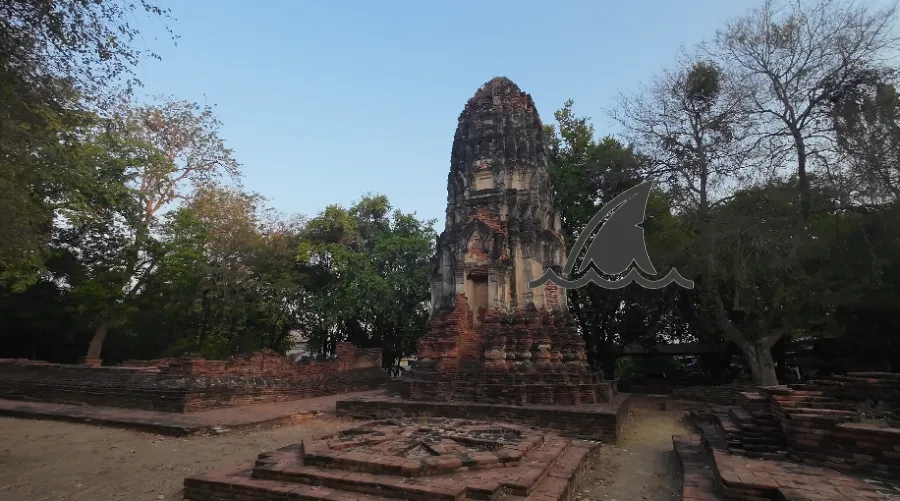
The main structure within Wat Som is the principal prang, constructed of brick and set on a low base. The highlight that makes Wat Som renowned is the stucco patterns adorning the prang, which remain remarkably intact and beautiful. These patterns evolved from Khmer art during the 18th Buddhist century and include:
Jackfruit Petals (Klip Khanun): The roof decorations of the prang have fully transformed into jackfruit petal shapes.
Stucco Patterns at the Base: Adorned with upward-facing lotus patterns, and the uppermost part of the base features a rosary bead pattern.
Intricate Patterns: The edges of the jackfruit petals are framed with rosary bead patterns and scrolling foliage, flanking the rosary bead framework.
Lintel and Pediment Patterns: Features lintel designs and various stucco patterns, including geometric shapes, mythical creatures, and the Rahu swallowing the moon motif. อาจารย์ N. Na Paknam, who surveyed Wat Som in 1967 (B.E. 2510), noted that the stucco patterns here are more abundant and surprisingly intricate than at other sites in Ayutthaya.
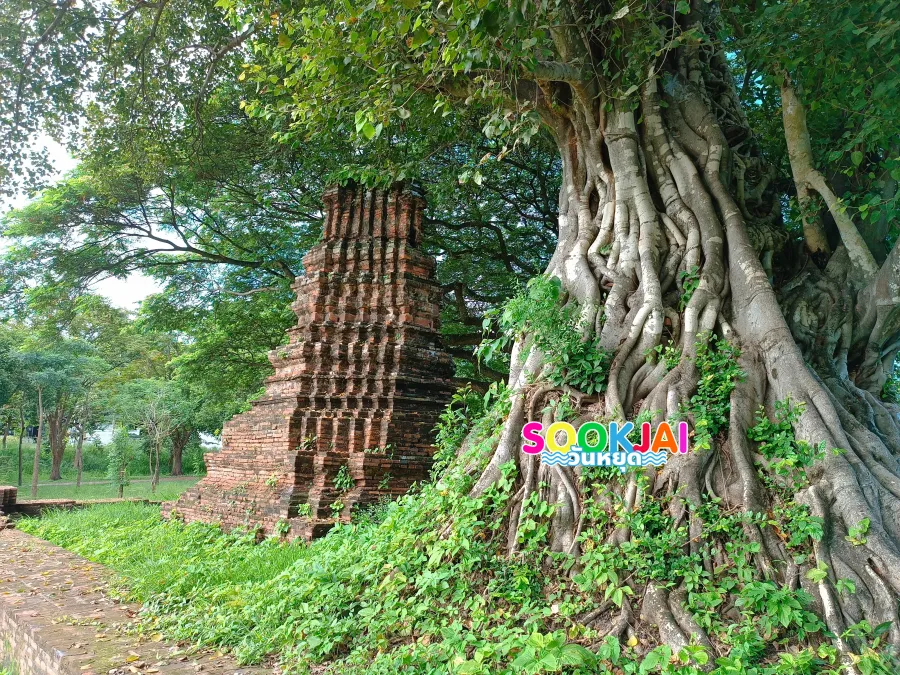
In addition to the principal prang, remnants of a vihara (assembly hall) and subordinate chedis (stupas) are also visible, hinting at the temple's original structure.
Wat Som Today
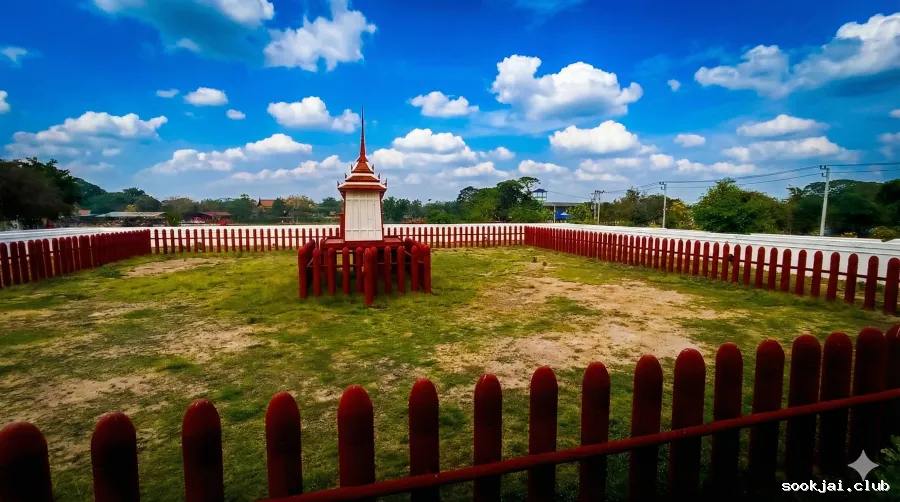
Currently, Wat Som's landscape has been beautifully renovated under the 'Neramit Ayutthaya' project to enhance its tourism potential. Although a quiet ruined temple, it is open to tourists free of charge, making it an interesting destination for those wishing to experience the history and high art of Ayutthaya up close and escape the hustle and bustle.
A visit to Wat Som will transport you back to the early era of the Ayutthaya Kingdom, allowing you to appreciate the craftsmanship of ancestors who created such exquisite and beautiful art as a legacy that endures to this day.