

 อ่านภาษาไทย
Phang Nga City Museum, a provincial learning center, the starting point for educational tourism in each area. When traveling to any province, you should know that province or get some knowledge back, even if it's just a little bit. A good starting point is the provincial museum. For Phang Nga, there is a museum that provides good information about social history, which is the Phang Nga City Museum, located next to Khao Chang.
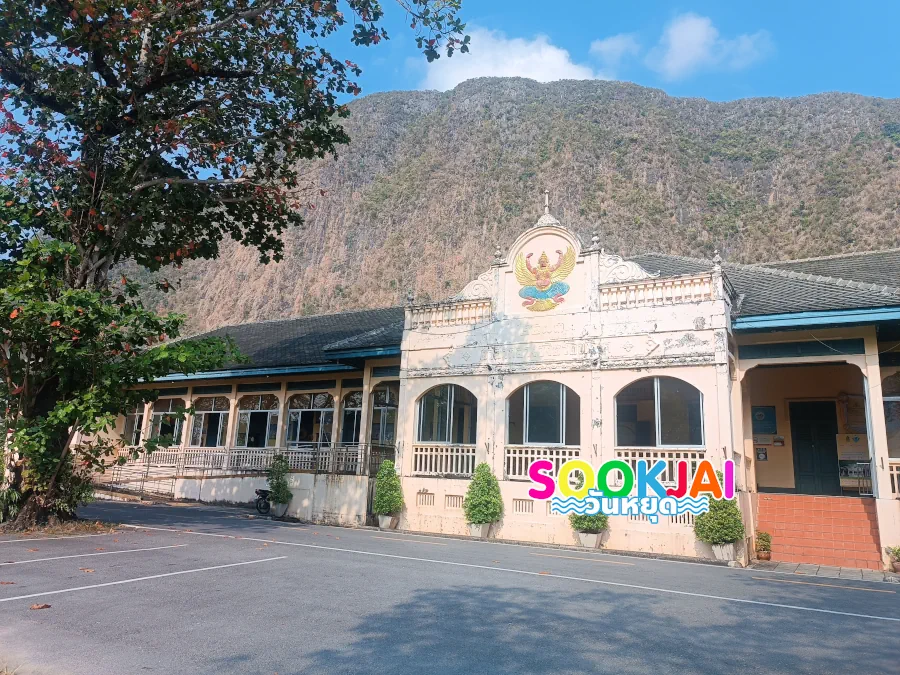
The museum building itself is old, built in 1930. It used to be the provincial hall, called the Old Provincial Hall. It is a single-story building, 60 meters long, with a hipped roof. It is a brick and mortar building with wooden floors. Currently, it is used as a museum and the Provincial Cultural Office. The Fine Arts Department has declared it a national historical site.
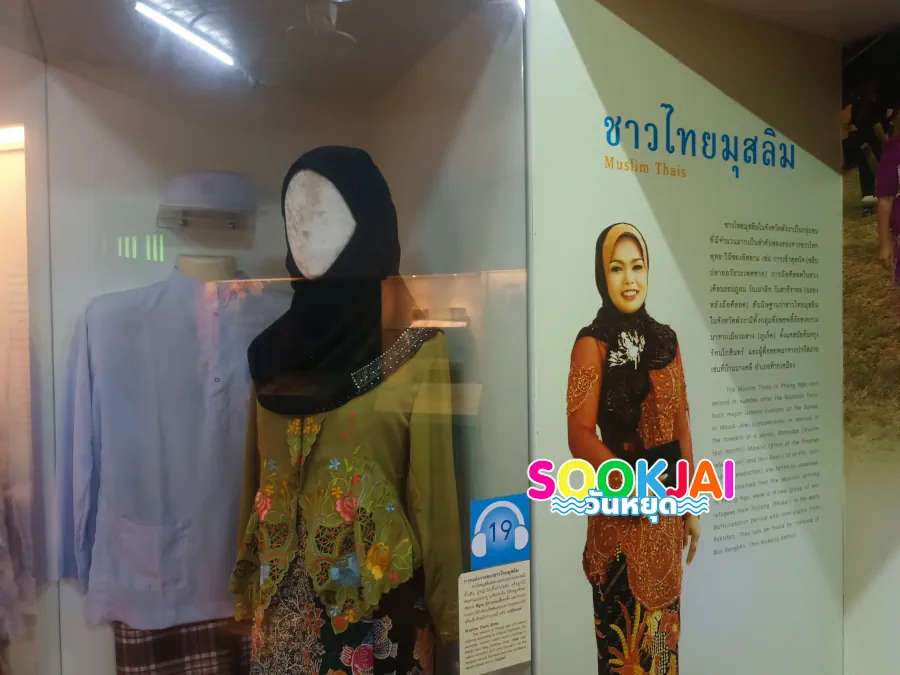
Phang Nga is a province with many unique characteristics, such as the saying "eight months of rain, four months of sun." The exhibition inside the museum explains that it is a province in a tropical monsoon climate, divided into only 2 seasons: hot and rainy. January-April is the hot season. The rest is a long rainy season of 8 months. In fact, sookjai holiday traveled to Phang Nga province during the month of love, and it rained from Phang Nga to Phuket.
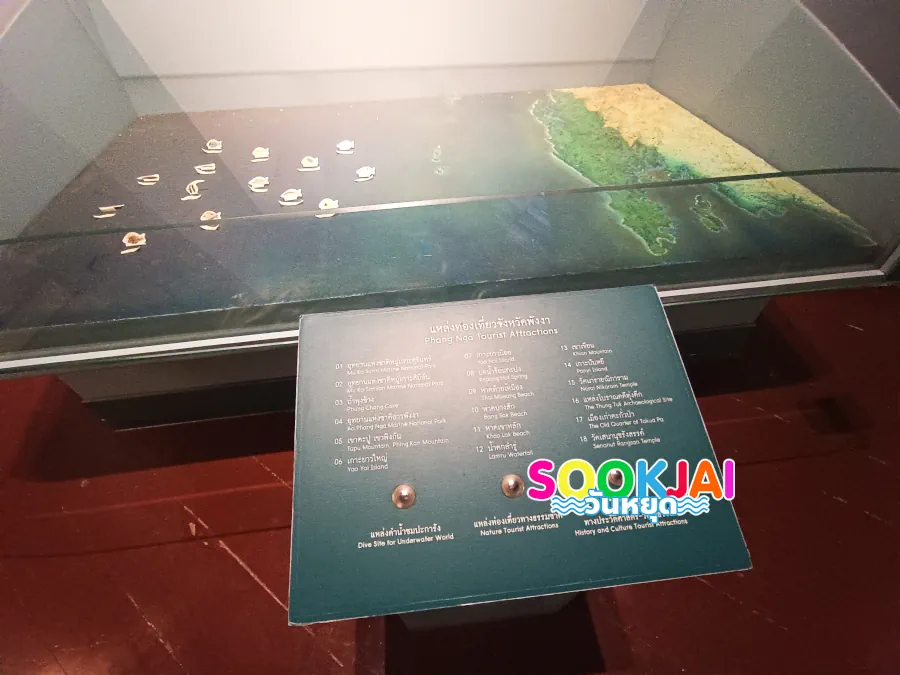
In addition, Phang Nga is also rich in minerals. The most important is tin. As is known, Phang Nga is a province with a long-standing tin industry. But in addition to tin, there are also gold, zircon, other minerals, including uranium.
Although tin has been almost completely mined, tin slag or tin dross, which is a by-product of tin ore smelting in the past, contains tantalite, which is used to make weapons of war such as guided missile warheads, missiles, or even spacecraft, because tantalite is very resistant to heat and friction with the air.
The Phang Nga City Museum also provides knowledge about the Khlong Marui Fault, which is a crack in the Earth's crust, a type of active fault that can move (underwater earthquakes that cause tsunamis), which must move at least once every 10,000 years. The Khlong Marui Fault is about 148 kilometers long from Phang Nga to Phuket, passing through both land and sea areas.
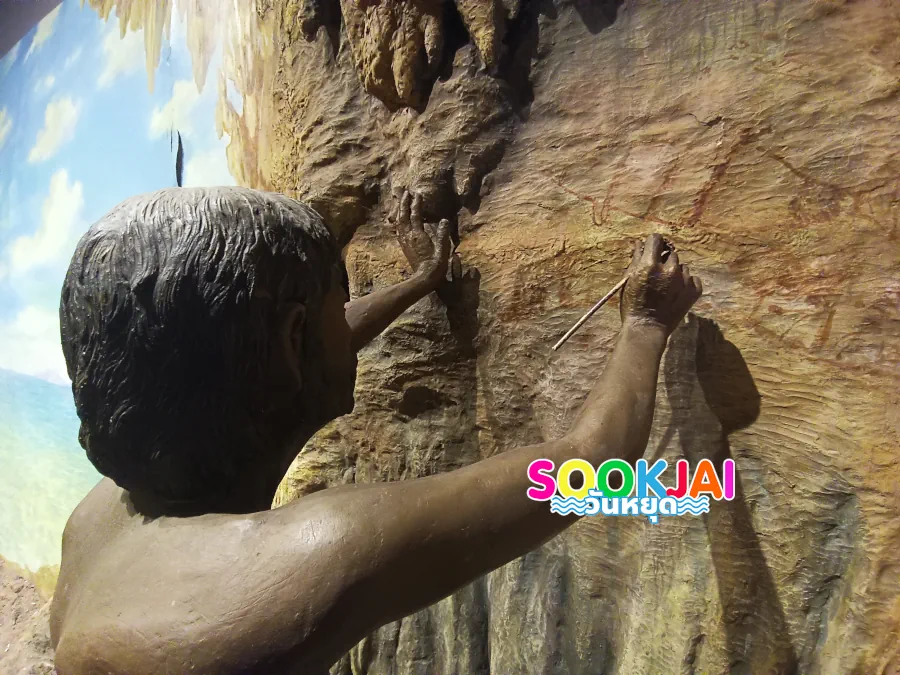
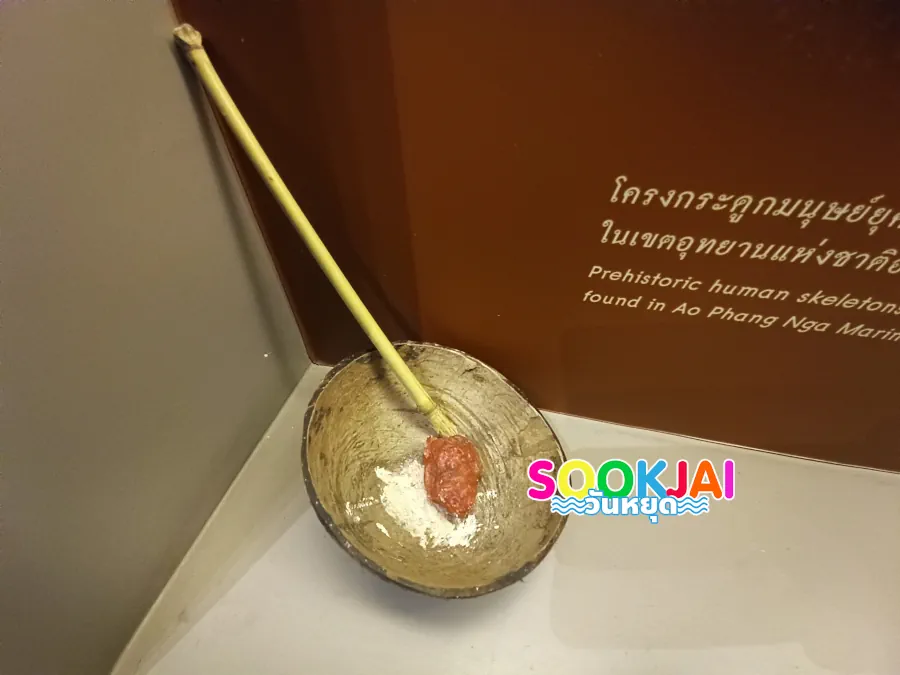

An important question: When did humans live in Phang Nga? In terms of prehistoric times (the era before writing was used), there were many places in Phang Nga, often in caves and mountains such as Khao Chang, Khao Khian, Tham Phra, etc. Therefore, humans have settled for a long time. It is assumed that they lived in small groups of 10-20 people, using stone tools, wearing animal skins, fishing and hunting, and often painting cave walls with hematite ore, which is red and brown.
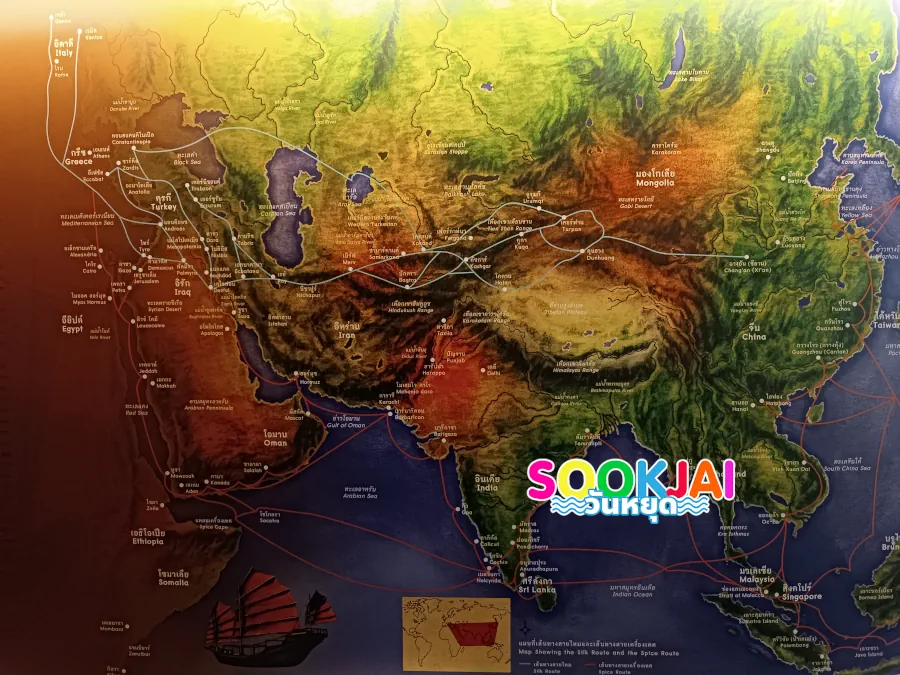
Including being a trans-peninsular route in the historical era (Maritime Silk Road), some say that 1 of the 4 most important routes may have traveled from Thung Tuek ancient site, Ko Kho Khao through Takua Pa (Takola, Takola), as found ancient objects Persian ceramics Beads from the Middle East and India There have been found statues of Vishnu at both Khao Phra Nuea and Khao Phra Narai as well.
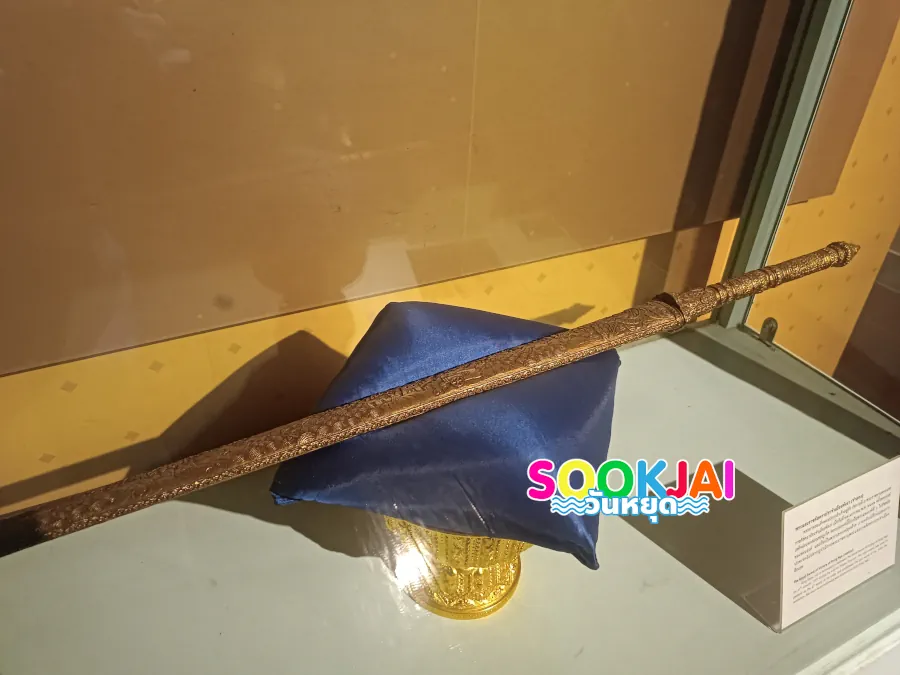
In the reign of King Rama VII, King Prajadhipok bestowed the royal sword of Phang Nga when he visited Phuket Province. It is considered the last royal sword before the coup in 1932.
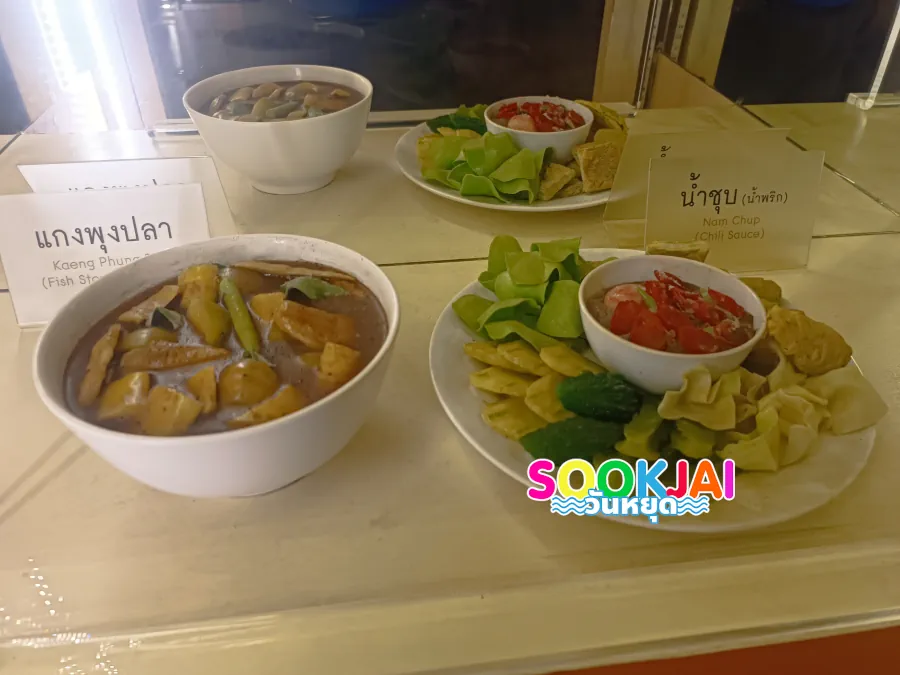
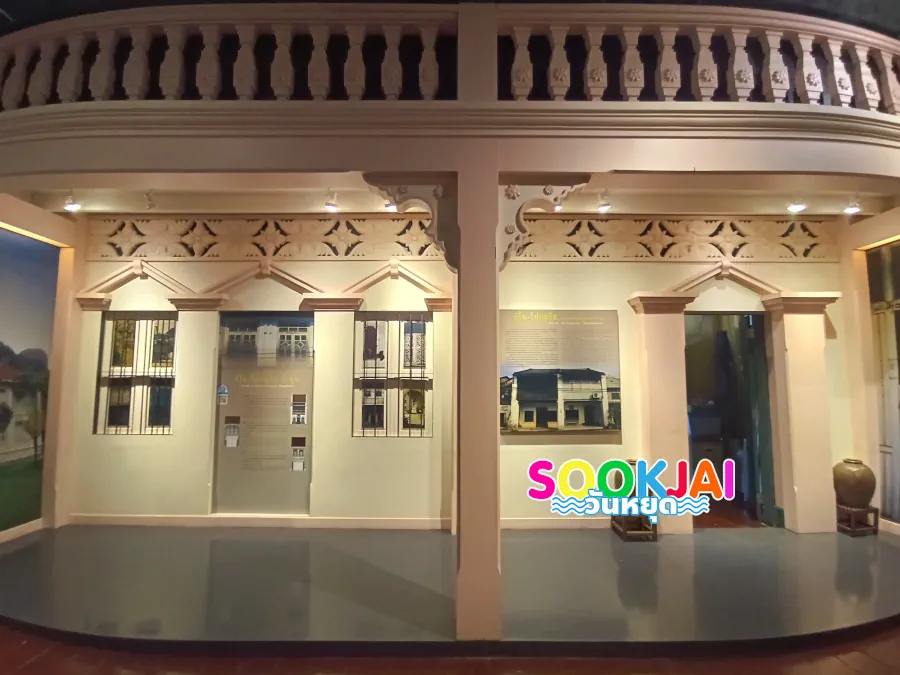
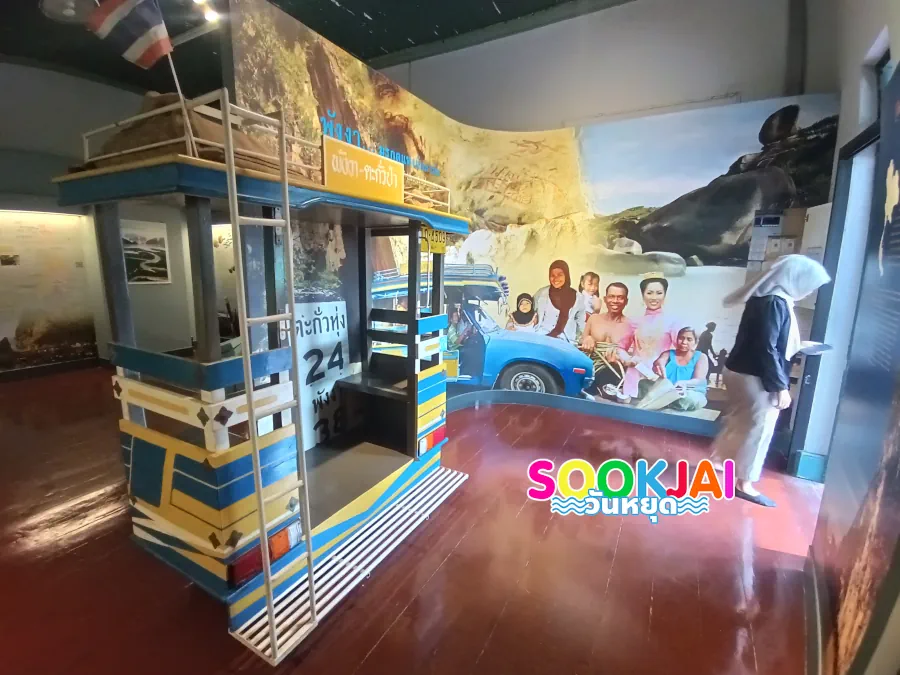
As for the name of Phang Nga province, it may be distorted from Kra Phunga or Phunga (Phu means mountain, Nga means elephant), as Khao Chang appears in the province. The museum also tells about ethnicity, food, clothing, recreation, traditions, and architecture.


.webp)

.webp)
.webp)








.webp)